









Natural and non-hormonal methods of contraception

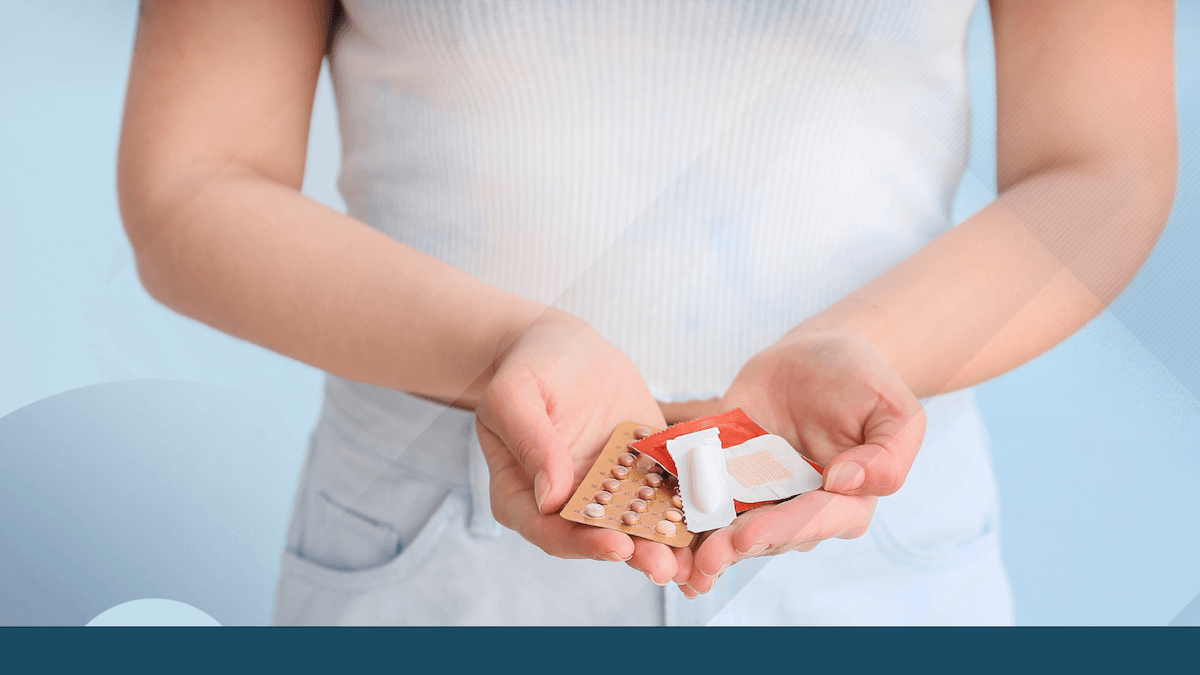
More and more women and couples are looking for solutions that allow them to plan their family without using hormones. Today, there is a wide range of natural and non-hormonal methods available that combine safety with gentleness to the body. Let's take a look at the most popular ones.
Condoms
Condoms are one of the most affordable methods of contraception. Their main advantage is that they also protect against sexually transmitted diseases (STDs). They are best suited for young people and those who do not have a regular partner.
- Pros:
- Affordable, cheap, easy to use.
- Also protects against STDs.
- Large selection – different sizes, materials (including latex-free), vegan, with lubricants, etc.
- Cons:
- May break or slip if used incorrectly.
- Some may find it to be desensitizing.
Diaphragms and cervical caps
A natural method of contraception suitable for women who want a non-hormonal and reusable method. It is suitable for couples who are not at high risk of STDs. The diaphragm can be used before intercourse without having to think about contraception on a daily basis (unlike the natural fertility tracking or calendar method).
RAL offers a modern diaphragm solution Caya®, which is positively received by women in Europe and the USA. They especially appreciate the elasticity and ease of use – the shape of the diaphragm. However, they emphasize that it is necessary to learn how to use it correctly. The diaphragm must be used together with a gel – a gel that increases the safety of the contraceptive method.
- Pros:
- Reusable for up to 2 years.
- Does not contain hormones and latex.
- The Caya® design is comfortable: “one size fits most women”, with a special shape for easier insertion and removal.
- There is no effect on the cycle or hormones.
- Cons:
- You have to learn to insert it correctly.
- Must be used with gel.
- Must be left for at least 6 hours after intercourse.
- Does not protect against STDs.
- Lower efficiency than the coil.
Copper coil (IUD)
The copper coil, or IUD, is suitable for women who want a very safe, long-term solution without hormones. Once the coil is inserted, you can forget about contraception for a while. However, many women may be reminded of the side effects of the copper coil – heavier bleeding and / or pain during menstruation.
- Pros:
- Very high efficiency (more than 99%).
- Operates for 5–10 years.
- No daily attention required.
- Does not affect hormones.
- Cons:
- The insertion must be performed by a doctor.
- May cause heavier and more painful menstruation.
- Low risk of infection or slippage.
- Psychologically, not everyone can accept a foreign body in the uterus.
Natural fertility monitoring methods
The observation or calendar method is suitable for women with a regular cycle and a willingness to disciplinedly observe their body’s signals, as well as for couples who are in a stable relationship and are prepared to take the risk of pregnancy.
- Pros:
- Without hormones, completely natural.
- Helps you get to know your body and cycle better.
- Mobile apps and devices are also available to make calculations easier.
- Cons:
- Lower security, especially if the cycle is irregular or signals are misinterpreted.
- Discipline and regular data collection are required.
- Stress, illness, or lifestyle changes can affect the results.
- There is no protection against STDs.
- High risk of pregnancy.
Spermicides and new generation jellies
Suitable as additional protection to other barrier methods. For couples who want a temporary and local (non-hormonal) solution.
RAL offers Caya® Gel , which is used with the Caya® diaphragm. This gel is based on lactic acid and is as safe as products containing Nonoxynol-9.
- Pros:
- Available in gel, foam or film form.
- Easy to use.
- Modern non-hormonal gel products with lactic acid are also available, which change the pH of the vagina and inhibit sperm activity.
- Cons:
- They do not provide high levels of safety on their own (it is recommended to combine them with a condom or diaphragm).
- Should be used shortly before sexual intercourse.
- Does not protect against STDs.
Interrupted sexual intercourse
Interrupted intercourse (“coitus interruptus”) is one of the oldest and most natural methods of contraception, but it has many limitations. This method of contraception is suitable for couples in stable relationships who want a natural and immediately available method, but are willing to accept a relatively higher risk of pregnancy. In situations where other means (such as a condom or spermicide) are not available. For those who do not consider pregnancy to be completely unacceptable, but want to slightly reduce the risk.
- Pros:
- Free, always available.
- No hormones, no side effects from chemicals.
- No effect on the cycle or a woman’s health.
- Can be used as a “backup” method if no other means of protection is available.
- Cons:
- Low safety – during typical use, approximately 20 out of 100 couples will become pregnant per year (effectiveness only ~78%).
- Requires a lot of self-control from a man – to always withdraw correctly and on time.
- Pre-ejaculate fluid may contain sperm → the risk of pregnancy exists even before ejaculation.
- No protection against sexually transmitted diseases (STDs).
- It can be stressful and interfere with enjoyment because you have to think about when to stop.


































 Free shipping on orders over €100
 Pay in installments or use leasing - for orders over €75. Learn more ›