Free shipping on orders over €100
 Pay in installments or use leasing - for orders over €75. Learn more ›





Gardening and injuries: how to protect yourself and recover faster


Gardening is one of the few hobbies that allows you to simultaneously get emotional satisfaction, physical activity, spend time in the fresh air, grow tomatoes, and get injured, seemingly without doing anything physical or extreme. Gardening is done by people of all ages and physical fitness levels. Usually, the gardening season begins with enthusiasm, often continues with various types of injuries, and can end with long-term pain. Injuries occur because we overestimate our strength or underestimate the fact that we are not physically fit enough.
Why is gardening riskier than it seems?
Ergonomics
Gardening often involves awkward static positions that the body is not used to in everyday life. Unlike sports, where the body works in rhythmic movements, observing at least a minimum of movement technique, in the garden we usually hold one position for a longer period of time. The result? The lower back, neck and shoulders come into prolonged tension.
Seasonality
The highest number of injuries in the garden occurs in spring and early summer, when the body suddenly receives intense physical exertion after a winter rest. Muscles are not prepared, and even ordinary activities can cause traumatic strain. Also, significant stress can be during the harvest, when a large amount of work must be done in a fairly short time.
Tools and sharp objects
Scissors, forks, seed planting tools. All of these tools pose real risks for skin injuries. Small cuts, scrapes can turn serious if not treated quickly and properly, as the soil, as well as the tools themselves, contain a lot of bacteria.
The most common gardening injuries
Lower back pain is number one. Approximately 40% of people who regularly work in the garden experience minor pain or even serious injuries to their lower back.
Knee problems arise from prolonged kneeling on hard ground. This can result in both short-term injuries and exacerbation of chronic problems.
Hand and wrist injuries are often caused by working with pliers and other hand tools that do not have ergonomic handles. Injuries or pain can also occur because the wrist and grip are not trained enough in everyday life, but overload occurs with prolonged and intense exertion.
Wounds and skin injuries most often occur when using sharp tools or when caring for plants with thorns, such as roses, etc.
Sunstroke and dehydration can occur if we do not protect ourselves from the hot sun's rays and do not drink enough water during physical exertion. Therefore, having water at hand, a hat and preferably SPF cream to protect the skin from sunburn are especially important for every gardener.

5 products from RAL.lv that every gardener should know about
Back belts - for the prevention and treatment of back pain
Back belts provide support during the strain associated with lifting heavy objects, as well as when working in a bent position for long periods of time.
What does the back belt do?
- Reduces pressure on intervertebral discs
- Reminds you to keep your back straight (passively corrects posture)
- Reduces muscle tension during work
- Helps recover from low back strain
RAL.lv offers back belts and orthoses of various sizes and degrees of tightness from the world's leading manufacturers, which are widely used in rehabilitation throughout Europe.

Antimicrobial dressings - for wounds caused in the garden
Wounds that occur in the garden are not uncommon. Soil contains staphylococci, tetanus bacteria and other pathogens that can enter the body even through a small cut. Tetanus bacteria live mainly in soil, dust and animal feces. It forms very resistant spores that can persist in the environment for a long time. It usually enters the body through wounds, especially deep, dirty, puncture wounds (for example, from a nail, a scab, a cut contaminated with soil). You need to be especially careful if you have not had a tetanus vaccine.
Antimicrobial dressings offered by RAL
- Actively kills bacteria and prevents infection
- Works continuously for up to 7 days
- Promotes the natural healing process of wounds
- Is gentle on the surrounding skin

RAL expert advice
Don't just rely on a regular plaster bought at the supermarket. Garden wounds need antimicrobial protection because the soil is not sterile. Also, before applying the plaster, the wound needs to be cleaned using, for example, chlorhexidine. You shouldn't just rely on water and the use of an antimicrobial plaster.
Kinesiology tape - for joints and muscles
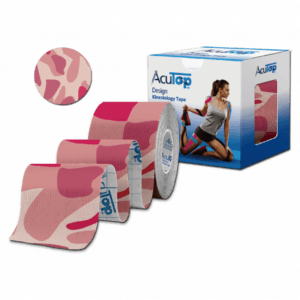
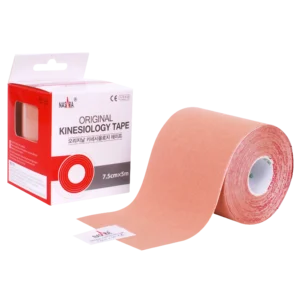
Kinesiology tape is a colorful, flexible tape originally developed by sports medicine specialists, but it's just as useful for active gardeners.
How tape helps with gardening
- Supports overworked wrist and/or knee muscles
- Improves blood circulation in the taped area
- Reduces pain and swelling
- Allows you to continue working without putting unnecessary strain on the joint

RAL.lv offers AcuTop and Nasara kinesiology tapes that are highly regarded among rehabilitation specialists. They are made of 100% cotton, breathable materials, and are water resistant, making them ideal for outdoor use.
RAL expert advice
For the tape to work effectively, it is important to apply it correctly. Of course, it would be ideal to ask for help or advice from a specialist. If this is not possible, you can find quite a few tutorials on YouTube and other social networks, created by physiotherapists.
Knee orthosis
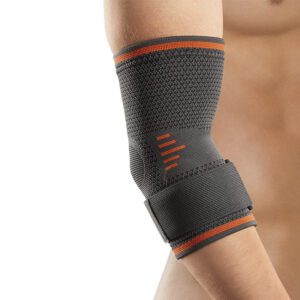
Gardeners spend a lot of time working on their knees, such as weeding, planting, etc. This puts significant strain on the knee joint. Gardeners often already have knee problems, but this does not prevent them from gardening. A knee brace can help relieve the strain so that the situation does not worsen.
How a knee brace helps with gardening
- Stabilizes the knee and reduces the risk of injury
- Provides soft cushioning against hard ground
- It is comfortable for long-term use.
- Suitable both prophylactically and after an existing injury

RAL.lv offers orthoses from the DJO , Orliman and Bauerfeind brands.
RAL expert advice
Chronic knee injuries take much longer to heal than acute injuries. In these cases, a knee brace will help prevent further damage, which is just as important as treatment.
Film bandages - a comfortable, invisible skin protector
Film dressings are thin and transparent. They protect minor wounds and scrapes while allowing the skin to breathe. They are ideal for minor injuries such as skin scrapes and lacerations.
- Film bandages fit snugly against the skin and do not restrict movement
- Are waterproof, can continue working even with wet hands
- Protects the wound from soil and dust
- They are transparent - allowing you to monitor wound healing, observe whether an infection is developing, etc.

What should you do if you get injured in the garden?
Minor wounds and scratches
- Flush the wound with clean water for at least 5 minutes
- If possible, use a medical disinfectant
- Apply an antimicrobial or film dressing
- Check the wound after 24 hours; if there is redness, swelling, or fever, see a doctor.
Back or joint injuries
- Stop working, sit down, or lie down
- Apply a cold compress for the first 24 hours
- Use back belts or kinesiology tape as support
- If the pain does not go away within 2–3 days, consult a family doctor or physiotherapist.
When to see a doctor immediately
- The wound is deep and bleeding will not stop.
- White or yellow tissue visible in the wound
- The injury was caused by a rusty tool – there is an increased risk of contracting tetanus, especially if you have not been properly vaccinated
- Fever, severe pain, or swelling occurs
Prevention tips: How to work smart in the garden?
A little warm-up
Before work, take 5-10 minutes to do a light warm-up - stretch your muscles and move your joints. This can significantly reduce the risk of injury.
Pauses
It is recommended to take a short break every 30 minutes to drink water, stretch a little, and move around in a different way.
Ergonomic tools
Long handles, soft grip solutions, etc. can reduce strain and the risk of injury.
Protective gloves
Using protective gloves when gardening is not only a comfort measure to keep your fingers and nails clean, they also reduce the risk of injury by approximately 60-70%. If you have to work in areas with sharp edges, bushes, undergrowth, etc., it is also recommended to wear a long-sleeved shirt and pants. Although it may seem hot, the risk of skin abrasions will be significantly reduced.
First aid kit
Ideally, you always have a first aid kit in your garden, home, car, bag, etc. It contains a disinfectant such as chlorhexidine, an antimicrobial dressing, a protective film and a bandage. The cost of such a kit is very small, but it can protect you from complications, infections, etc. in the event of an injury, as well as help others if someone else is injured.
Your gardening strategy - smart preparation
Gardening is a great way to spend time outdoors, but it should be treated like any other physical activity - you need to prepare, use the right tools, and always have first aid supplies on hand.