Wound care mistakes that delay healing
Wound healing is not just a matter of time - it is a process that can be significantly accelerated or slowed down by daily care decisions. Choosing the wrong bandage, changing it too often or too rarely, and ignoring signs of infection are seemingly minor mistakes that can significantly prolong recovery.
Modern wound care is based on one main principle: creating an optimal environment for healing, in which the body can repair damaged tissue as efficiently as possible.
For which wounds is it important to choose the right dressing?
For minor, everyday skin injuries, a simple plaster is often sufficient, but there are situations when the wound requires more careful care and a suitable dressing.
Choosing the right bandage is especially important:
- For post-operative wounds - for example, for protecting surgical incisions or suture sites after operations and medical procedures.
- For cuts, abrasions and traumatic skin lesions to protect the wound and reduce dressing adhesion during healing.
- For burns in the healing stage, when it is necessary to maintain an appropriate moisture level and protect new tissue.
- For bedsores and long-term non-healing wounds where fluid control, protection of the surrounding skin and reduction of the risk of infection are important.
- For leg ulcers and wounds of diabetic patients, as healing is often more difficult and requires particularly careful care.
Mistake 1: Letting the wound "dry out"
Many people still believe that a wound should be allowed to scab and "breathe." In fact, research shows the opposite - many wounds heal faster in a controlled, moist environment. When a wound becomes too dry, a hard scab forms, which can inhibit the formation of new cells and slow down the healing process. In addition, the dressing can stick to the wound and injure the new tissue during dressing, thus prolonging healing. However, excessive moisture can also inhibit healing - if the wound fluid is not sufficiently absorbed, the surrounding skin can become soaked (macerated), become more fragile and more easily damaged. Prolonged uncontrolled moisture can contribute to skin irritation and increase the risk of infection.
Solution: Choose a dressing based on the condition of the wound - primarily depending on whether the wound is dry or has discharge.
Wounds with discharge
In such cases, foam dressings (such as Allevyn) are suitable, which absorb excess fluid, protect the surrounding skin and often allow for a reduced frequency of dressing changes. Allevyn Gentle Border dressings with gentle fixation and atraumatic removal are suitable for sensitive skin.
Dry wounds
Hydrogel dressings, which provide the necessary moisture, help soften dry tissue, and make dressings more gentle, are more suitable. Important: Hydrogel dressings ( Intrasite gel ) are not suitable for wounds with significant exudate.
Mistake 2: Choosing the wrong dressing for the amount of discharge
One dressing cannot be suitable for all situations. If a dressing that is too thin is used on a heavily exuding wound, it will not be able to absorb the exudate sufficiently, fluid will accumulate and damage the surrounding skin. On the other hand, if a dressing that is too absorbent is used on a dry wound, it will drain away the necessary moisture and the wound will become even drier.
Recommendation
- For dry wounds, it is recommended to choose moisturizing dressings, such as hydrogel dressings ( Intrasite gel ) , which help maintain the moisture necessary for wound healing.
- For wounds with low to moderate exudate, foam dressings ( Allevyn dressings ) are recommended, which provide balanced moisture control.
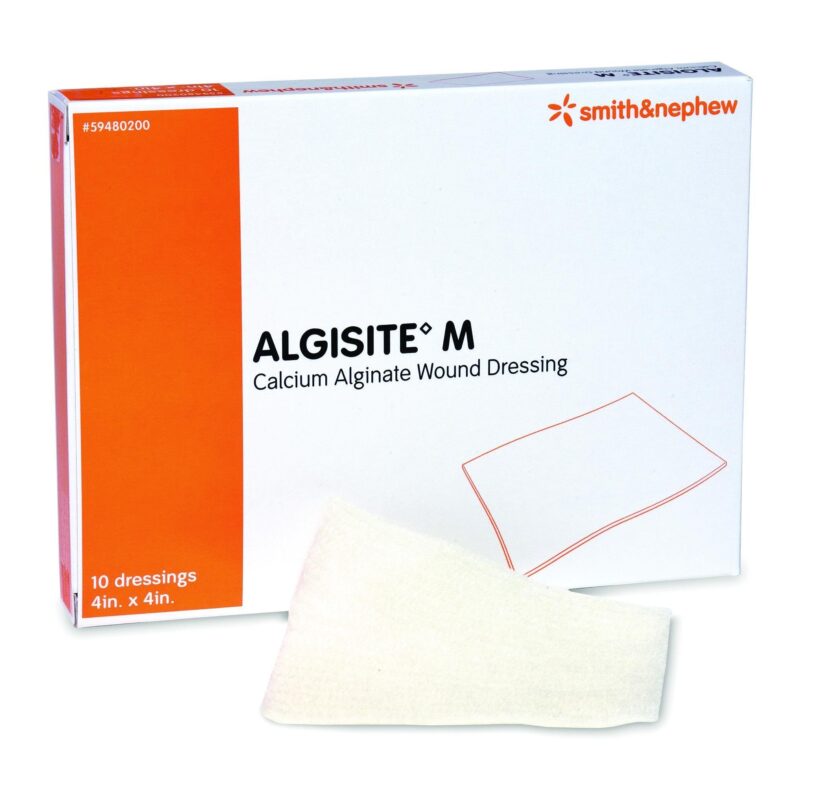
- Highly absorbent dressings ( Algisite M , Durafiber ) are suitable for wounds with significant exudate , as they effectively absorb exudate and help protect the surrounding skin.
Mistake 3: The bandage sticking to the wound
Each time a sticky dressing is removed, it can damage newly formed tissue - as if starting the healing process over again. This causes pain during dressing changes, can re-traumatize the healing wound, and slows down the healing process.
Solution: Use dressings with a gentle, atraumatic contact layer — for example , Bactigras Wound Contact Layer, Melolin Absorbent Dressing, Opsite Post-op for post-operative wounds, or Allevyn Gentle Border for sensitive skin.
Mistake 4: Ignoring signs of infection
Infection is one of the main reasons why a wound "does not want to heal". It slows down the entire healing process and can cause serious complications. Therefore, it is important to monitor the healing of the wound and consult a doctor or nurse if any of the following signs appear:
- increasing pain and redness
- swelling and feeling of warmth
- unpleasant odor or purulent discharge
- elevated body temperature
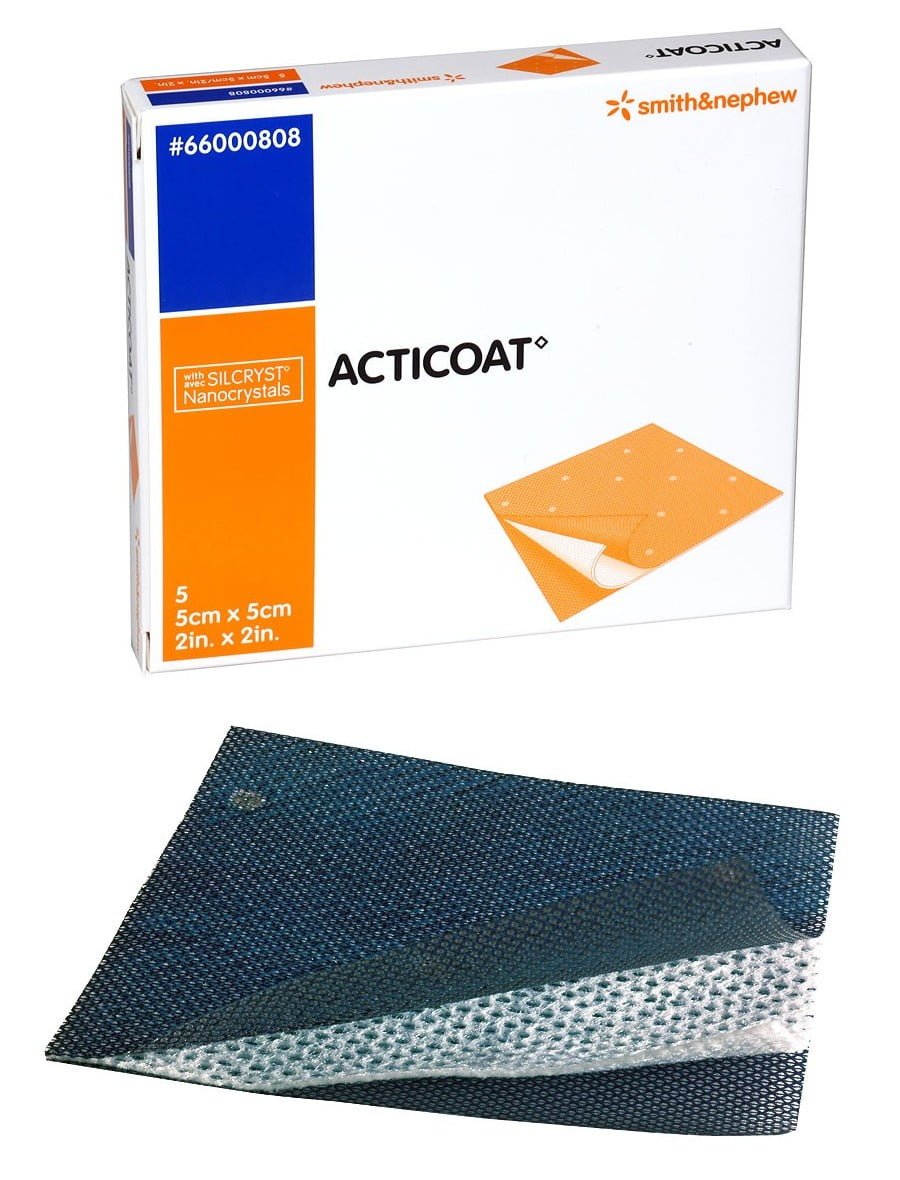
If any of these symptoms occur, you should seek medical advice. In cases of risk of infection, silver-containing antimicrobial dressings (such as Acticoat or Allevyn Ag ) can be used, but their use should be coordinated with a specialist.
Mistake 5: Changing the bandage too often or too rarely
Changing bandages too frequently can traumatize new tissue and disrupt the optimal moist environment. Changing bandages too infrequently can promote fluid accumulation and increase the risk of infection.
When to change the bandage:
- fluid begins to reach the edges of the dressing
- the bandage has started to peel off or is wet
- an unpleasant odor appears
- increased pain or redness
Traditional gauze dressings usually need to be changed daily or more often. Modern absorbent dressings (such as Allevyn ) can remain on the wound for several days, reducing trauma and making everyday life easier.
Mistake 6: Forgetting about the surrounding skin
The skin around a wound is just as important as the wound itself. If it becomes soaked or damaged by fluid, healing conditions will be compromised.
A good dressing not only protects the wound, but also protects the surrounding skin. To secure the dressing, you can use fixation materials such as Primafix , which holds securely in place without irritating the skin, or Opsite Flexifix , which is waterproof, thin, and non-irritating to the skin.
Mistake 7: Believing that "one size fits all"
Simple gauze is only suitable for certain situations. It does not provide moisture control, does not protect the surrounding skin, and often sticks to the wound. This solution was used in the past, but modern solutions offer much more effective dressings that significantly accelerate wound healing and reduce the risk of infection.
Modern dressings are designed for specific conditions - different solutions for dry, exuding, infected or chronic wounds. A properly selected dressing does not just cover the wound - it helps maintain an optimal healing environment, controls moisture levels and protects the wound from external irritations.
Mistake 8: There is nothing you can do after a wound heals with a scar
Wound care does not always end when the skin is completely closed. After surgery, trauma, or deeper skin damage, more pronounced scar tissue can form — for example, raised, thickened hypertrophic or keloid scars. Once the wound is fully healed, special silicone products can be used to reduce and prevent scar tissue.
For example, Cica-Care self-adhesive silicone gel sheet helps:
- reduce the appearance of hypertrophic and keloid scars;
- improve the color and elasticity of the scar;
- make scar tissue softer and less noticeable.
Mistake 9: Not choosing appropriate wound care solutions for diabetic patients
For people with diabetes, even small wounds may require special attention because they tend to heal more slowly. This can be affected by reduced blood circulation, nerve damage (decreased sensation), and a higher risk of infection. Foot wounds, abrasions, and ulcers should be monitored especially carefully, as a person may not notice a small injury in time, which can later become a more serious problem.
When caring for diabetic and difficult-to-heal wounds, it is important to choose an appropriate dressing that helps maintain an optimal moist healing environment, absorbs excess wound fluid, protects the surrounding skin from getting wet, and helps reduce the impact of external factors on the wound.
For example:
- Foam dressings ( Allevyn ) help control wound exudate and maintain an optimally moist environment for healing;
- Alginate dressings ( Algisite M ) are suitable for cavity wounds with a higher amount of exudate;
- Antimicrobial dressings (such as Acticoat ) may be used in cases where there is an increased risk of infection.
Wound healing is often delayed not by the trauma itself, but by errors in care - improper moisture control, inappropriate dressing, traumatic dressing, or infection that is not noticed in time.
A properly selected dressing helps maintain a wound environment conducive to healing, protects tissues and promotes the natural healing process. RAL offers a wide range of dressings for different situations - foam, hydrogel, alginate, antimicrobial and fixation dressings. In case of complex, chronic or long-term non-healing wounds, always consult a medical professional.